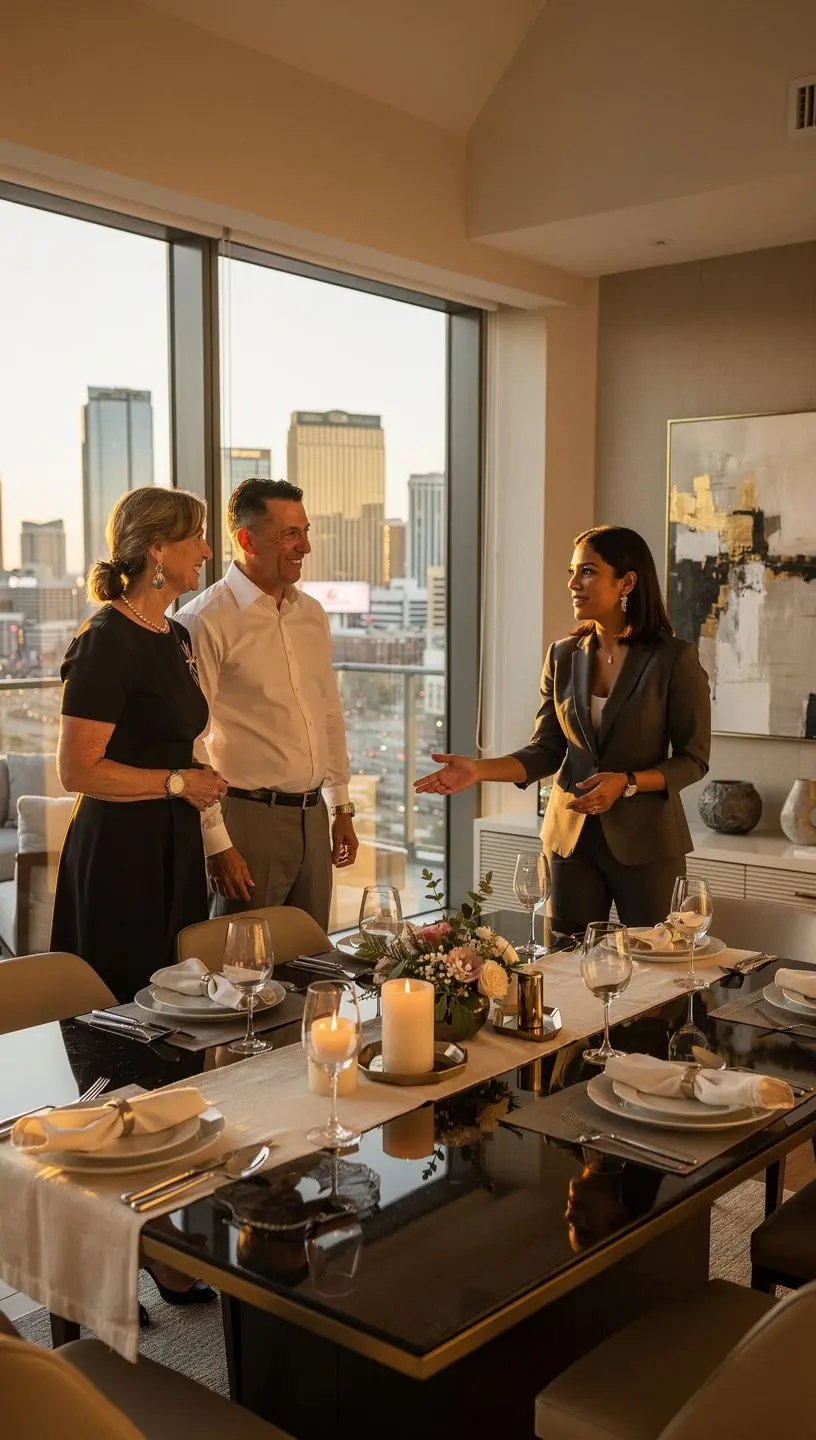
Combining Textures and Colors in Home Decor
Creating a harmonious home atmosphere requires a thoughtful approach to combining textures and colors in your decor. This article will explore effective methods, backed by research, that can enhance your living space, making it both visually appealing and comfortable.
Understanding the Basics
When it comes to home decor, the interplay of colors and textures can significantly influence the overall ambiance. According to studies conducted by the Color Marketing Group, the colors we choose can impact our mood and feelings of well-being. For instance, warm colors like reds and oranges often evoke feelings of warmth and energy, while cooler tones like blues and greens promote calmness.
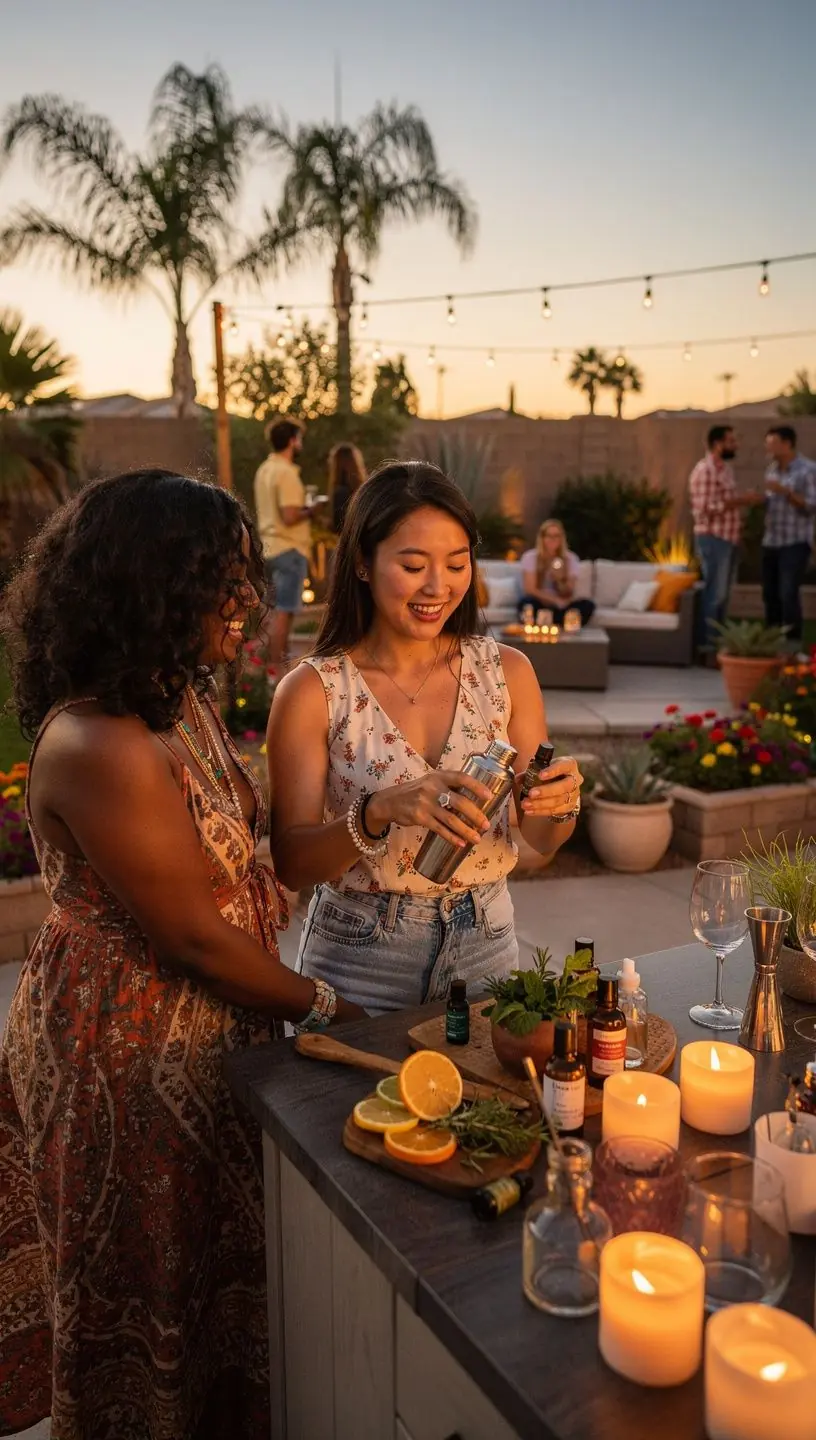
In addition to colors, the use of various textures adds depth and interest to a space. Experts in interior design recommend that combining different textures—such as smooth, rough, soft, and hard—can create a balanced and inviting environment. This works because texture can draw the eye and engage the senses, making a room feel more dynamic.
"The right mix of colors and textures can transform a space from ordinary to extraordinary, enhancing both its aesthetic and functional qualities." - Interior Design Expert
Practical Application
Here are several actionable tips for combining textures and colors in your home decor:
- Select a Color Palette: Start by choosing a color palette that resonates with your desired mood. Many users report success using a combination of three to five colors, typically one dominant color, a secondary color, and an accent color.
- Mix Textures: Incorporate a variety of textures to enhance visual interest. For example, combine soft fabrics like velvet or cotton with harder materials like glass or metal. This approach can create a multidimensional feel that appeals to both sight and touch.
- Layering: Layering is a technique where different textures are placed atop one another to create depth. For instance, a woven throw on a smooth leather sofa can add warmth and comfort without overwhelming the space.
Common Mistakes to Avoid
While experimenting with colors and textures, it’s essential to be aware of common pitfalls:
- Overwhelming the Space: Too many colors or textures can create visual chaos. It is typically recommended to limit your palette and focus on a few key textures to avoid clutter.
- Lack of Coordination: Ensure that the colors and textures complement rather than clash. Tools like color wheels and texture boards can be helpful for visualizing your combinations before making purchases.
- Ignoring Scale: Consider the size of your space when selecting textures and colors. For larger rooms, bolder patterns and textures can be effective, while smaller spaces often benefit from lighter colors and delicate textures to create a sense of openness.
Conclusion
Combining textures and colors in home decor can significantly enhance the atmosphere of your living space. By understanding the principles behind color psychology and the role of texture, you can create a home that is not only aesthetically pleasing but also comfortable and inviting. Remember, successful decor typically requires a bit of experimentation and adjustment over time. By implementing these tips, you can develop a harmonious environment that reflects your personal style.
Discover More