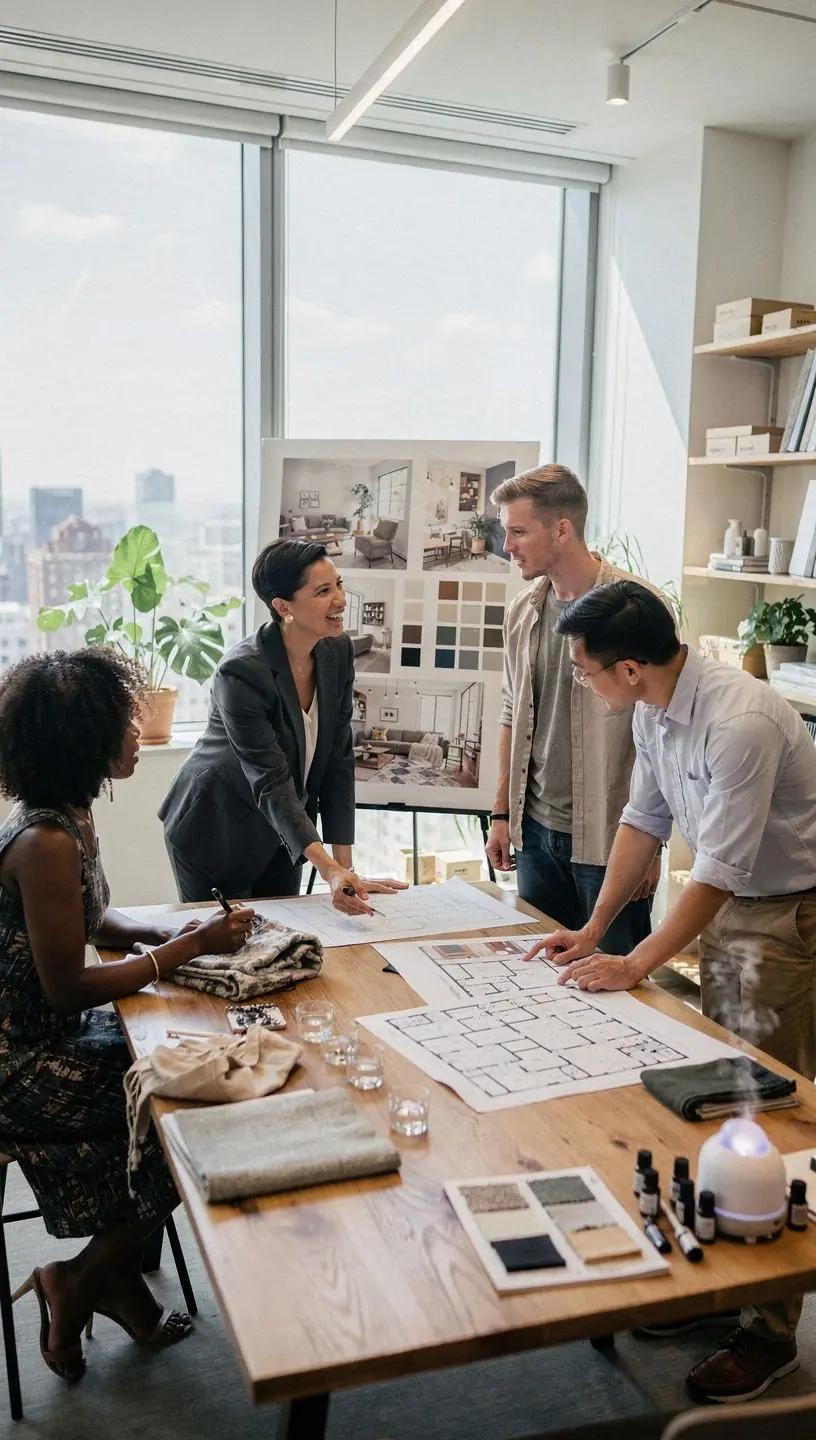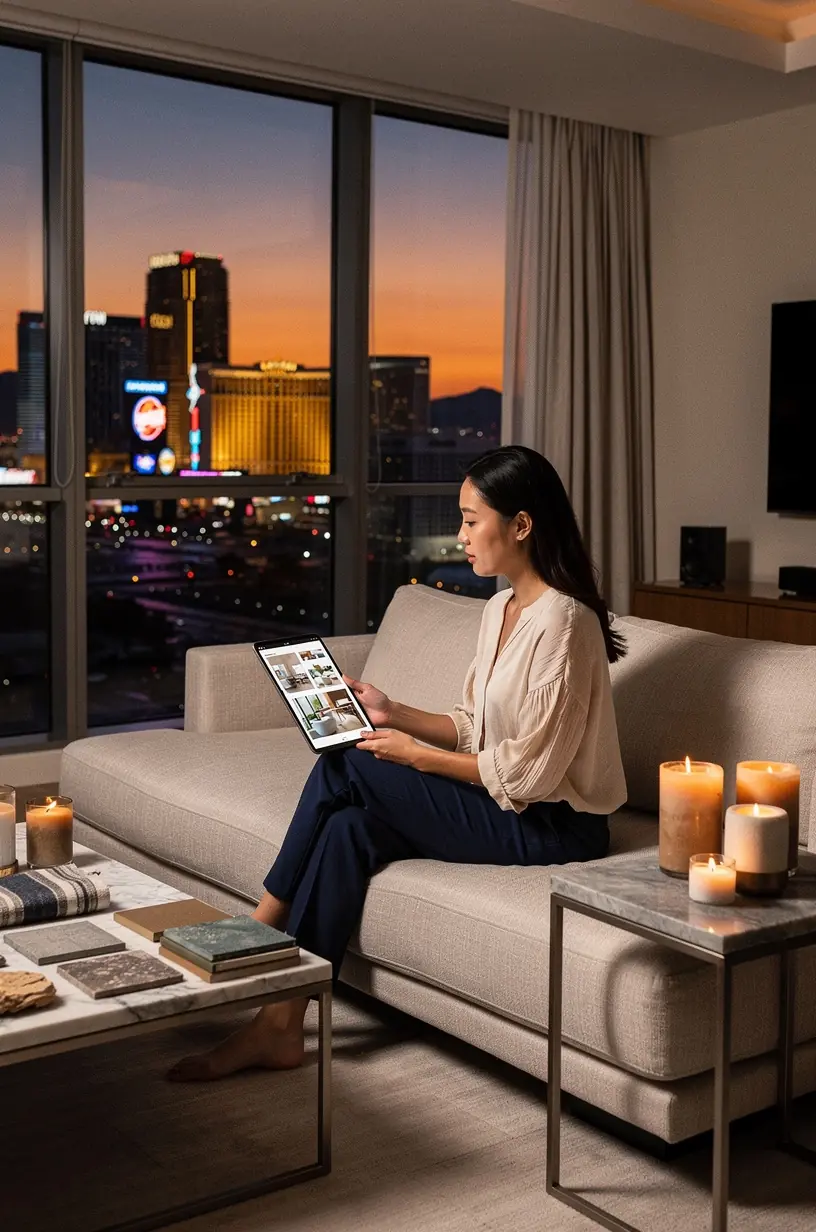
Designing Functional Spaces with Ambient Lighting Techniques
Creating the right atmosphere within your home goes beyond selecting beautiful decor; it involves understanding how ambient lighting can significantly enhance functionality and mood. This article explores effective techniques for integrating ambient lighting into your home design.
Understanding Ambient Lighting
Ambient lighting serves as the primary layer of illumination in any space, providing a soft glow that reduces harsh shadows. According to the American Lighting Association, proper ambient lighting can help improve the overall aesthetics and functionality of a room. This works because it enables people to navigate spaces comfortably while enhancing the visual appeal of decor items.
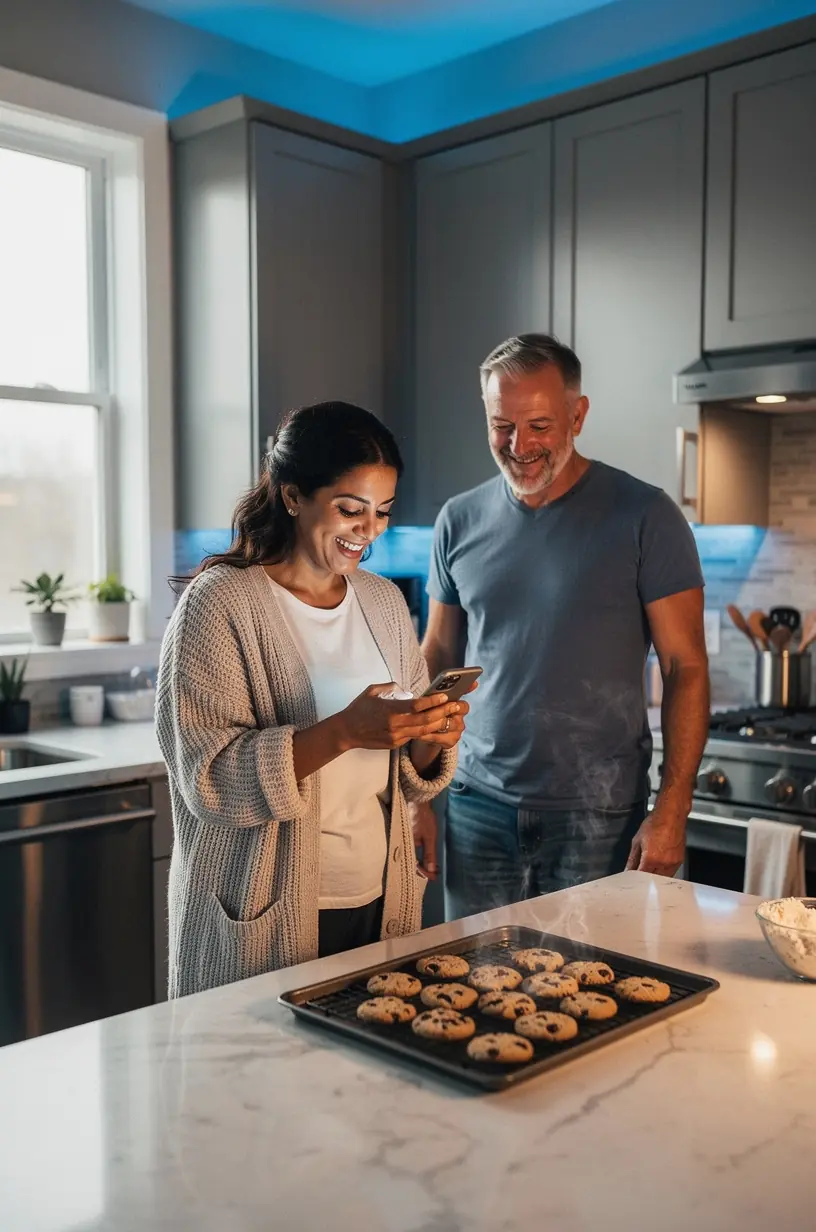
"Effective ambient lighting can transform spaces, making them feel larger and more inviting." — Interior Design Expert
Why Ambient Lighting Matters
Studies show that working in well-lit environments can boost productivity by as much as 20-30% in similar contexts. Additionally, the right lighting can influence mood and energy levels. Experts recommend layering different types of lighting to create a balanced atmosphere that adapts to various activities throughout the day.
Choosing the Right Techniques
When designing your space, consider the following techniques that can help integrate ambient lighting effectively:
- Use Dimmer Switches: Installing dimmer switches allows you to adjust the brightness based on the time of day and activity. This flexibility can enhance comfort and save energy.
- Implement Layered Lighting: Combining ambient lighting with task and accent lighting creates a more dynamic environment. For example, use floor lamps for reading in conjunction with overhead fixtures for general illumination.
- Incorporate Natural Light: Maximizing windows and using sheer curtains can offer natural light during the day, which is both effective and energy-efficient. Research indicates that exposure to natural light can improve mood and overall well-being.
Practical Application in Your Home
To effectively design functional spaces using ambient lighting, consider the following steps:
- Assess Your Space: Determine the purpose of each room and how lighting can support that purpose.
- Choose Light Fixtures Wisely: Opt for fixtures that complement your decor style while providing adequate illumination. Look for energy-efficient options, as they can save money in the long run.
- Test Different Layouts: Experiment with different light placements and types to see what works best in terms of brightness and ambiance. This may take some time, but is essential for achieving the desired effect.
Conclusion
Designing functional spaces using ambient lighting techniques is not just about aesthetics; it’s about enhancing the usability and comfort of your home. While the implementation of these techniques typically requires some investment and a willingness to experiment, many users report significant improvements in both mood and functionality. By following the principles discussed, you can create a harmonious atmosphere that meets your needs and reflects your personal style.
Discover More