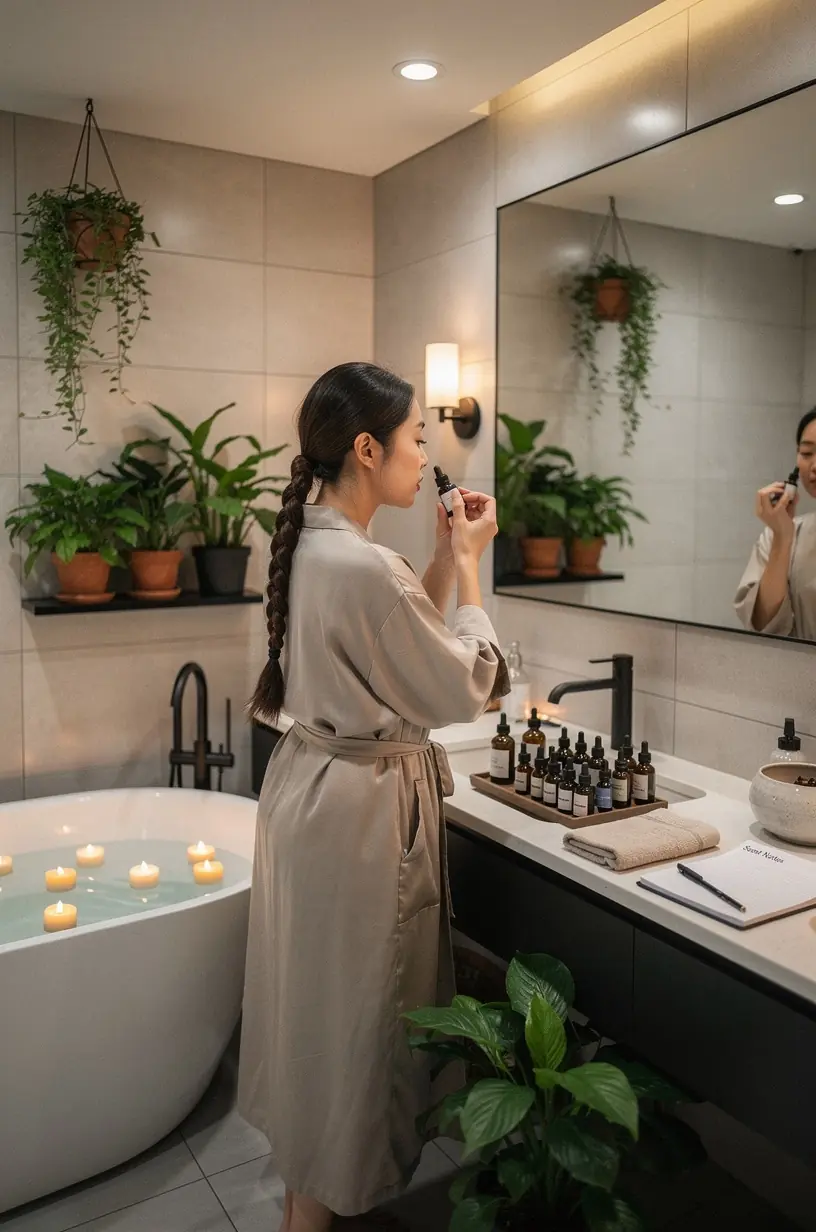
How Scents Influence Mood and Behavior
The ambiance of our living spaces plays a crucial role in our emotional well-being. One often-overlooked component of this atmosphere is scent. This article explores how different scents can influence mood and behavior, backed by research and expert opinions.
Understanding the Basics of Scent and Emotion
Research indicates that our sense of smell is intricately linked to our emotions. The olfactory bulb, which processes scents, is directly connected to the limbic system, the part of the brain responsible for emotions and memory. This connection means that certain scents can evoke strong emotional responses, making scent a powerful tool in influencing mood.

"The sense of smell has a unique ability to bypass rational thought and trigger emotional responses directly." - Dr. Alan R. Hirsch, Neurologist
Common Scents and Their Effects
Many users report varying emotional reactions to different scents. Here are some common scents and the moods they may evoke:
- Lavender: Known for its calming properties, lavender is often used to reduce anxiety and promote relaxation. Studies show that exposure to lavender can help decrease heart rate and lower stress levels.
- Citrus (like lemon and orange): These scents are often associated with energy and rejuvenation. Research indicates that citrus aromas can improve mood and enhance alertness, making them suitable for workspaces.
- Pine: The fresh scent of pine trees is linked to calmness and the outdoors. According to a study published in the Journal of Environmental Psychology, exposure to pine scent can enhance feelings of relaxation and connection to nature.
How to Incorporate Scent into Your Home Atmosphere
To effectively use scents to enhance your mood, consider the following approaches:
- Aromatherapy Diffusers: Utilizing essential oil diffusers can help you customize the scent profile of your environment. It typically takes a few minutes for the scent to disperse, creating an inviting atmosphere.
- Candles and Incense: Scented candles and incense sticks can create a warm ambiance. While lighting these, ensure proper ventilation as it may require time to find the right scent combination that works for you.
- Natural Elements: Incorporating dried herbs or fresh flowers can offer subtle, natural scents. This approach requires maintenance but can be visually appealing and effective over time.
Acknowledge Limitations and Preferences
It's important to recognize that scent preferences are highly subjective. What works for one person may not work for another. Additionally, the effectiveness of scents can depend on individual sensitivity and past experiences related to certain smells.
Moreover, using scents to influence mood is not a one-size-fits-all solution. In most cases, it works best when combined with other environmental factors such as lighting and décor. For optimal results, consider how your chosen scents interact with your overall home atmosphere.
Conclusion
Incorporating scents into your home atmosphere can be an effective way to influence your mood and behavior. By understanding the emotional impact of various scents and applying them thoughtfully, you can create a more inviting and uplifting environment. Remember, it typically takes time and experimentation to find the right scents that resonate with you. Prioritize your preferences and enjoy the process of enhancing your home with the power of scent.
Discover More