Exploring Aromatherapy: Benefits and Applications
Aromatherapy combines the healing properties of essential oils with the art of scent, creating a holistic approach to enhancing well-being. This article delves into the benefits of aromatherapy, how it works, and practical applications for incorporating it into daily life.
Understanding Aromatherapy
Aromatherapy is rooted in the use of essential oils, which are concentrated extracts derived from plants. According to research, these oils can influence the body and mind through inhalation or topical application. The principle behind aromatherapy is based on the idea that the olfactory system, which processes scents, has a profound effect on emotions and physical health.
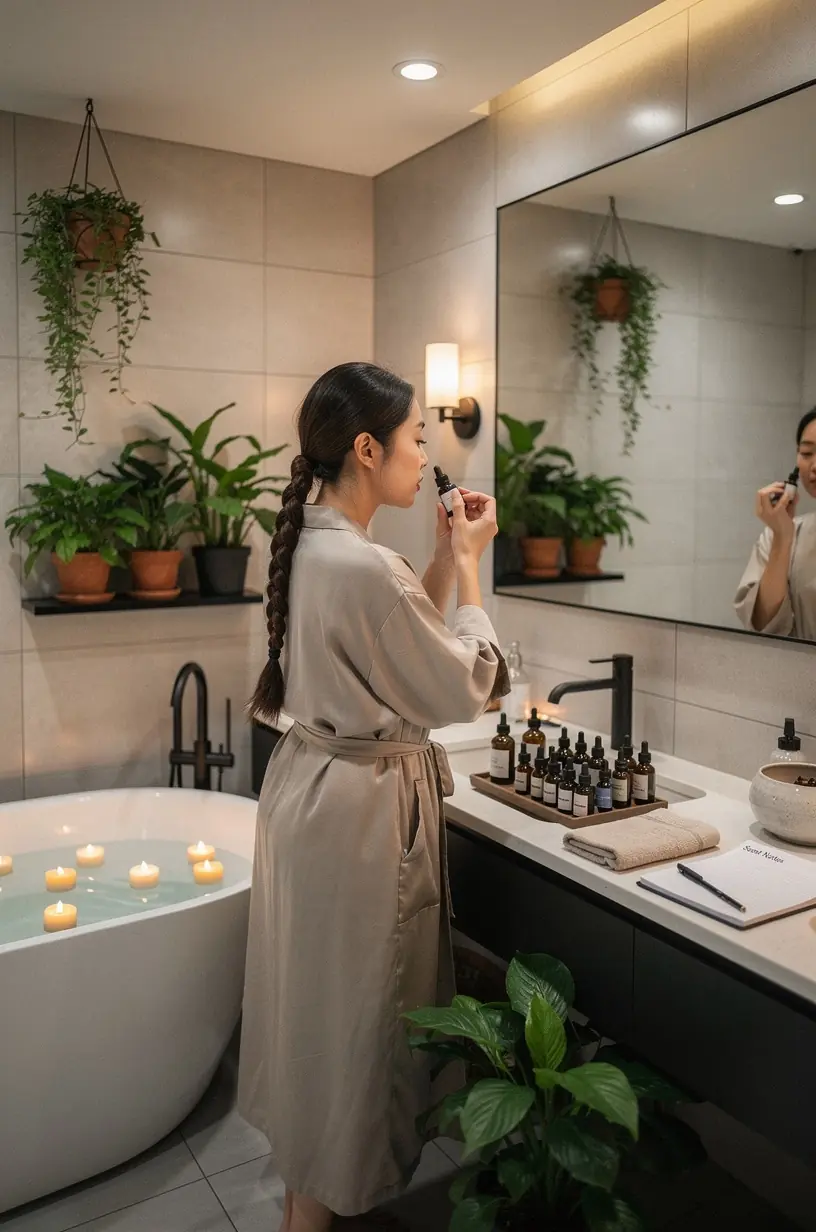
"Research indicates that specific scents can evoke emotions and memories, potentially aiding in relaxation and stress relief."
Potential Benefits of Aromatherapy
Studies show that aromatherapy can:
- Help reduce anxiety and depression symptoms in many users.
- Promote better sleep quality, particularly with calming scents like lavender.
- Support cognitive function and improve focus, as seen in environments where peppermint oil is used.
How Aromatherapy Works
The effectiveness of aromatherapy is often attributed to the interaction between essential oils and the brain. When inhaled, the chemical compounds in these oils can trigger various physiological responses. This process typically involves:
- Inhalation: Essential oil molecules enter the nasal cavity, stimulating sensory receptors.
- Signal Transmission: These receptors send signals to the brain's limbic system, which is responsible for emotions and memory.
- Physiological Response: The brain then interprets these signals, potentially leading to relaxation, improved mood, or other health benefits.
Practical Applications of Aromatherapy
Incorporating aromatherapy into your daily routine can be both simple and rewarding. Here are some methods to consider:
- Use a diffuser to disperse essential oils into the air, creating a calming atmosphere in your home.
- Add a few drops of essential oil to your bath for a relaxing experience; however, be cautious of skin sensitivity.
- Mix essential oils with a carrier oil for topical application, but consult with a professional to ensure safety and appropriateness for your skin type.
Limitations and Considerations
While aromatherapy can offer numerous benefits, it is important to acknowledge its limitations. Results may vary, and aromatherapy is not a substitute for medical treatment. In most cases, it works best when combined with other holistic practices, such as meditation or yoga. Additionally, essential oils may not be suitable for everyone, particularly those with allergies or specific medical conditions.
Conclusion
Aromatherapy can be an effective approach for enhancing well-being and creating a soothing home atmosphere. By understanding how and why aromatherapy works, along with practical applications, you can make informed decisions about incorporating it into your lifestyle. As always, consider consulting with a healthcare professional if you have specific health concerns or conditions.